AmoreTerra Supply Chain
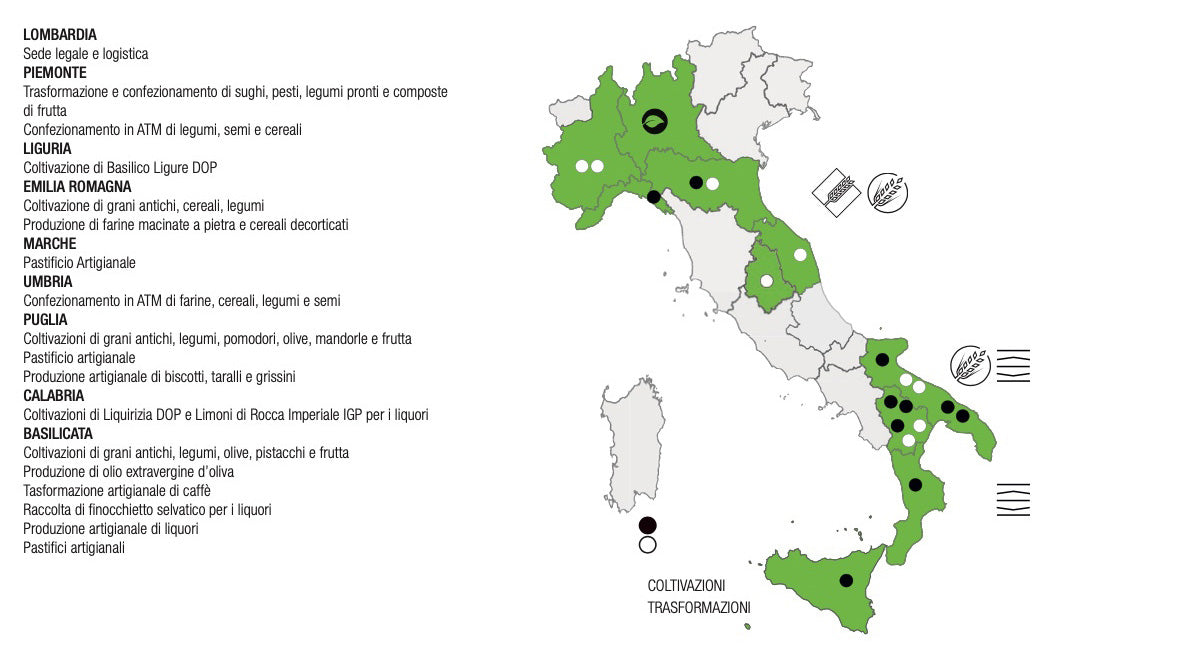
The AmoreTerra Supply Chain, a journey through the beauty of Italy's landscape, encompassing 360 hectares of fields, 10 farms, and 11 artisanal workshops. It took us five years to build it, patiently seeking out the finest examples of Italy's agricultural and gastronomic heritage. Thanks to this work, today we are able to produce superior quality.
Wheat and cereal supply chain
The supply chain of our grains is a wonderful journey that begins in the Modena Apennines and then reaches Puglia and Basilicata.
In addition to many varieties of organic grains, we also grow the exclusive Luce fields, 9 ancient grains in the same field.
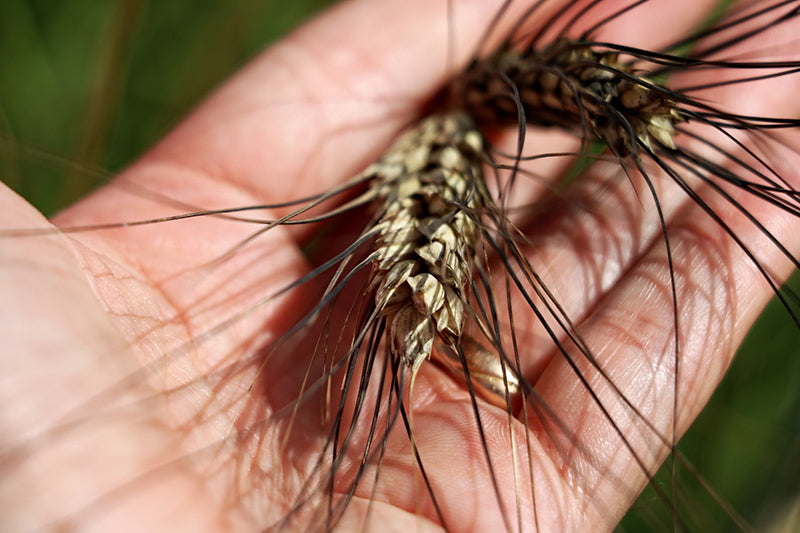
In the gentle, rolling landscape of the Apennines, in the province of Modena, where fields of wheat alternate with greenery as far as the eye can see, we have chosen to grow the grains and cereals of the AmoreTerra Supply Chain. The altitude ranges between 850 and 1,050 meters to naturally reduce the presence of pesticides, and in winter the ears of corn grow surrounded by snow, which slowly releases mineral salts into the soil.
The choice of cultivated varieties was driven by the rediscovery of ancient varieties. From einkorn and emmer wheat, the first cereals cultivated by man 10,000-12,000 years ago, to the more recent ancient grains, obtained through agronomic techniques in the mid-twentieth century. From that point on, the selection of grains for industrial purposes began, and a series of dwarf varieties with high gluten content were born, which many scholars believe are responsible for the proliferation of gluten intolerance and celiac disease.
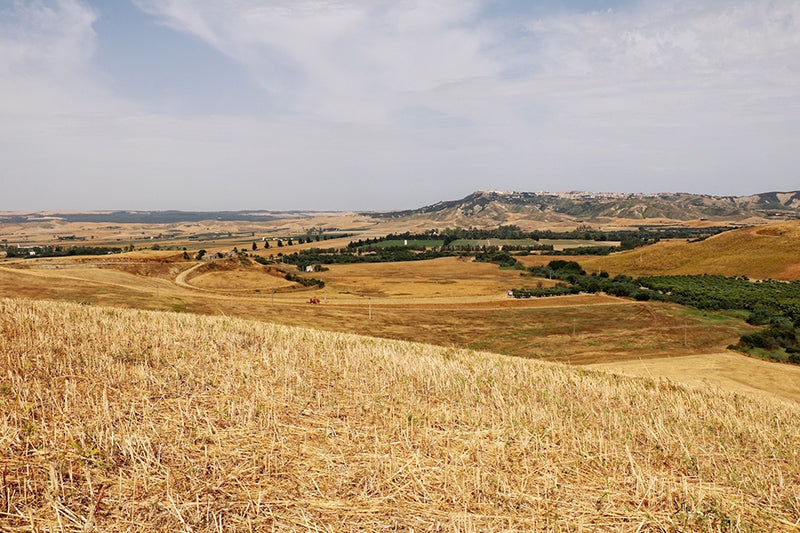
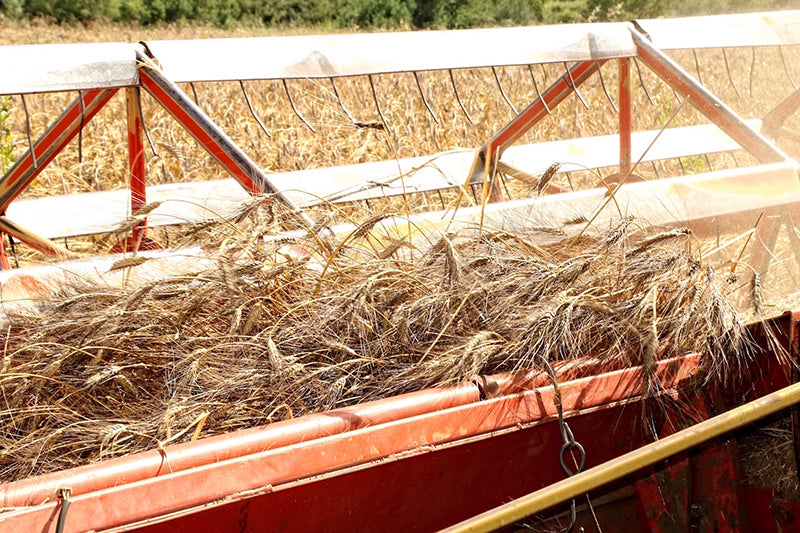
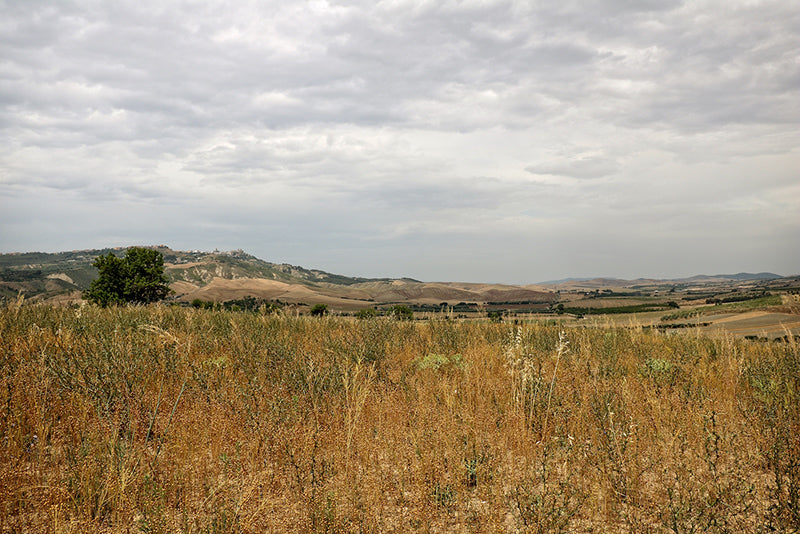
Our supply chain, a journey through the beauty of Italy.
Legume supply chain
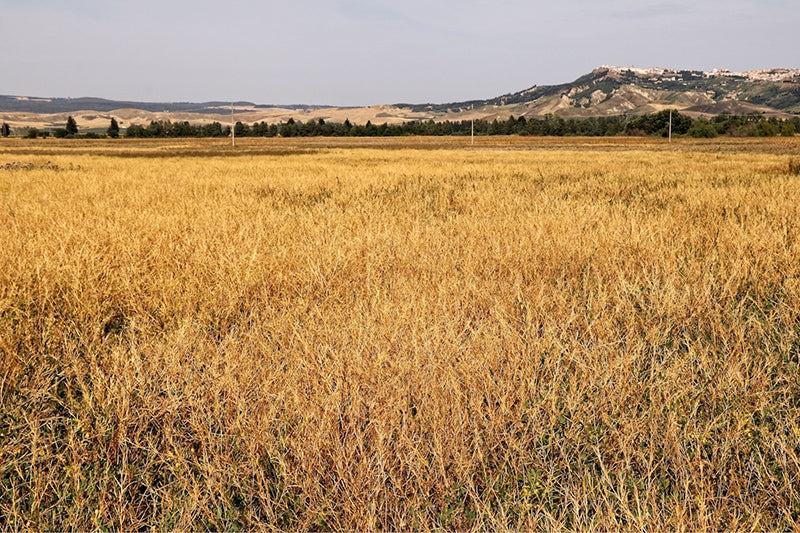
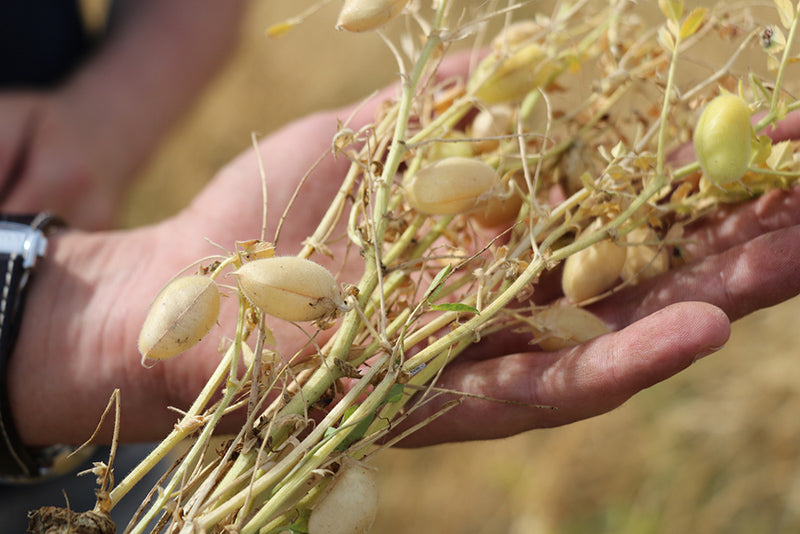
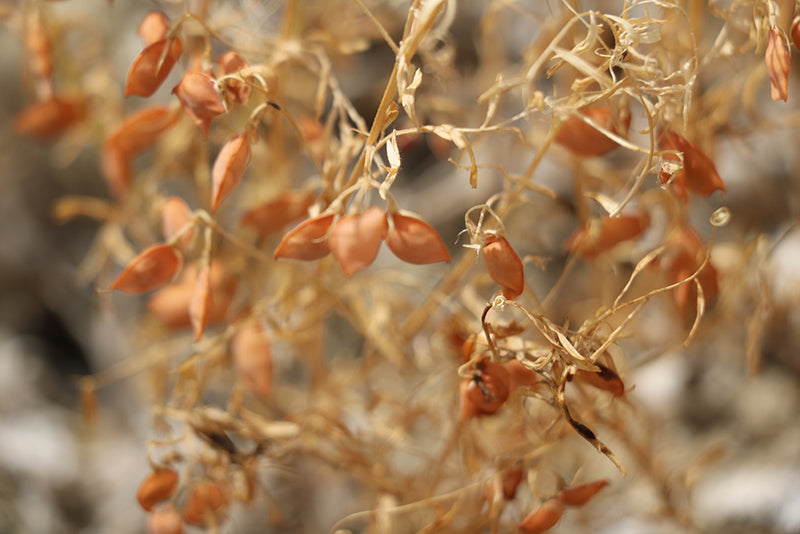
Under the warm sun of Southern Italy, among the windswept hills of Basilicata, the legumes of the AmoreTerra supply chain grow. The soil is rich thanks to a careful crop rotation.
The complete absence of pesticides during cultivation shapes the appearance of the fields (as seen in the photos), where legume plants are often covered and hidden by weeds. Farmers patiently wait for them to dry out and crumble in the wind, but if they don't, they must pull them up by hand before harvesting.
Flour supply chain
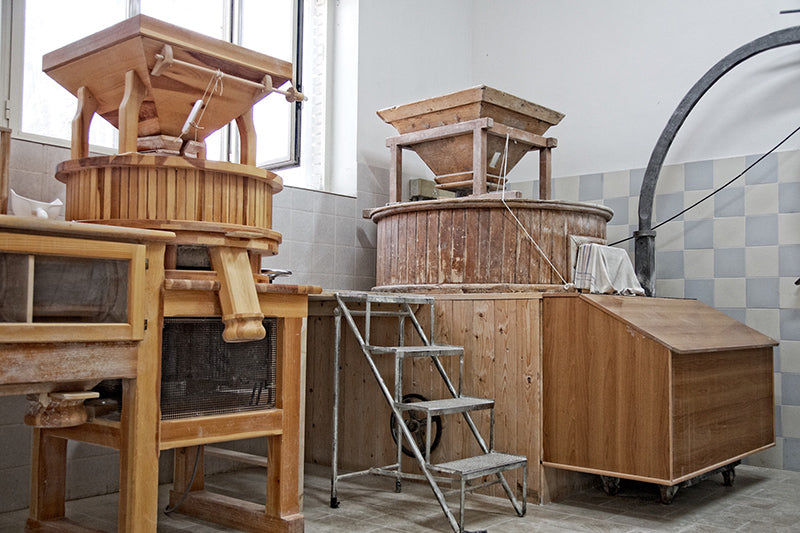
The main mill we have selected for the AmoreTerra Supply Chain is located in the Modena Apennines, near the wheat and cereal fields.
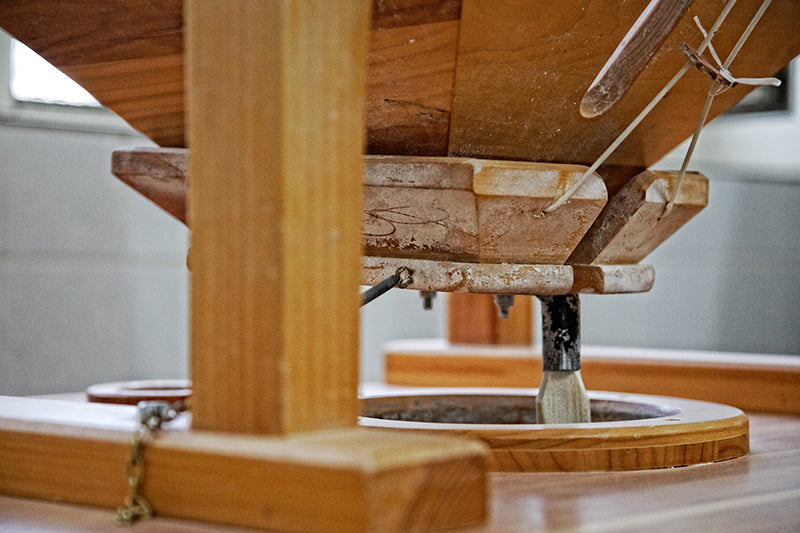
It is a natural stone millstone, an element that is fundamental for us because modern reconstructed stones are mixed with substances such as ceramic and corundum (aluminium oxide), the impact of which on health is not yet clear.
What sets us apart is our decision to keep the milling speed below normal quality standards. When producing our flours, this mill rotates at 60 revolutions per minute (compared to the 80-120 rpm of standard stone mills), a feature that allows production to occur at low temperatures without denaturing the grain or cereal's nutrients, which are lost at higher temperatures.
In no case is the precious wheat germ eliminated, rich in vitamins and mineral salts, which makes the flour a living and nutritious product.
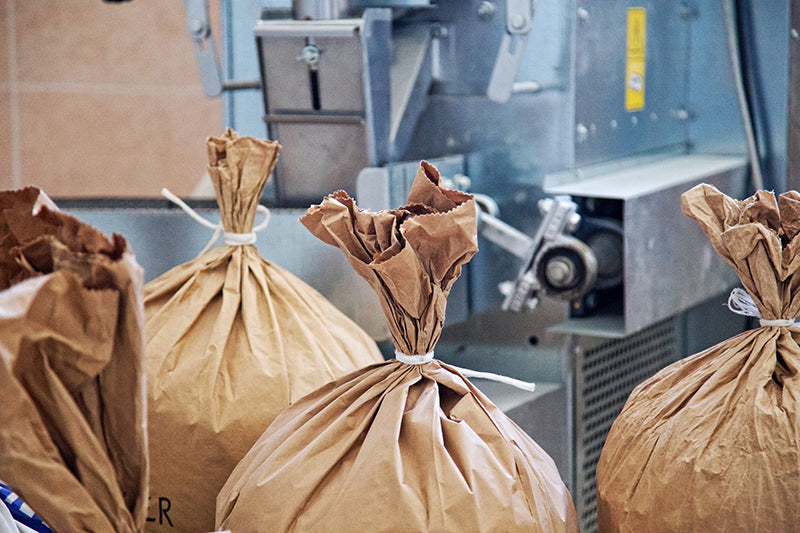
Packaging in a protective atmosphere takes place within three days of milling, to preserve the aroma of freshly ground wheat in the finished product.
Thanks to these precautions, AmoreTerra flours can boast a fragrance unknown to most other flours and give life to products with a rounded and persistent flavor.
Pasta supply chain
Any high-quality production takes time, and this is especially true for pasta.
Ancient grains like Senatore Cappelli, which offer the best performance in terms of aromas and flavors, can only be made into pasta with long drying times at low temperatures to ensure a pasta that holds its shape perfectly when cooked.
This is one of the main reasons why ancient grains have been replaced; in fact, over the last half century, the pasta industry has developed a production process based on modern, high-gluten grains that allows for drying times of 2-3 hours at temperatures of 115°C or more.
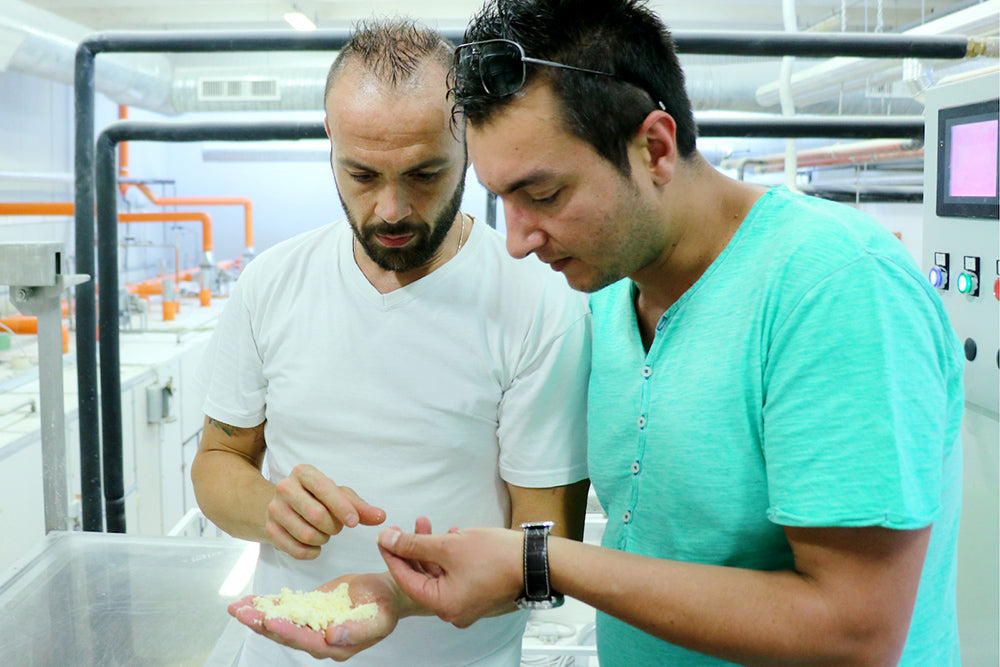
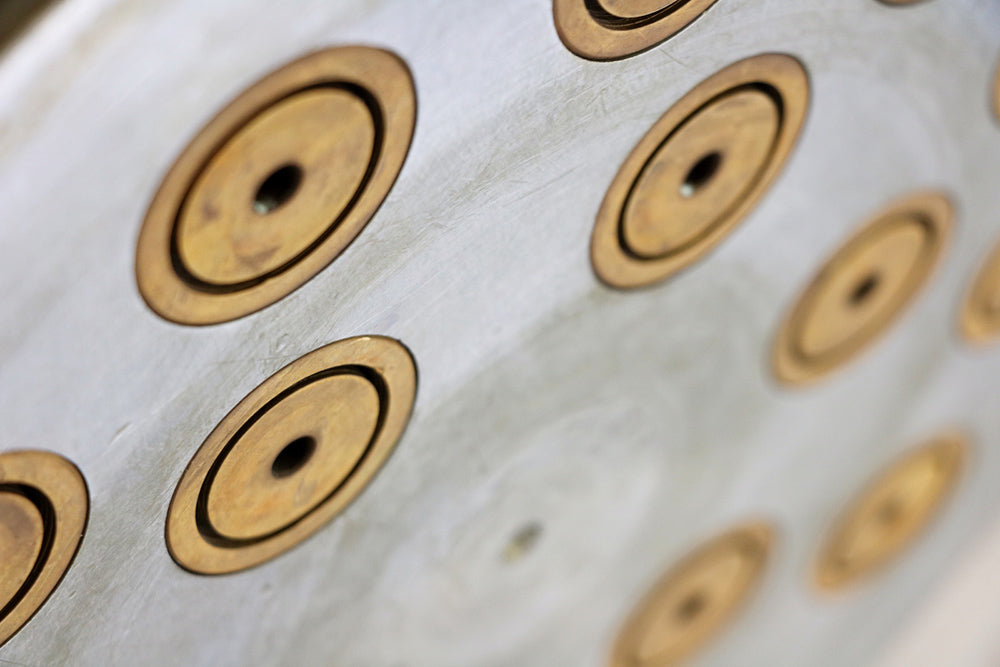
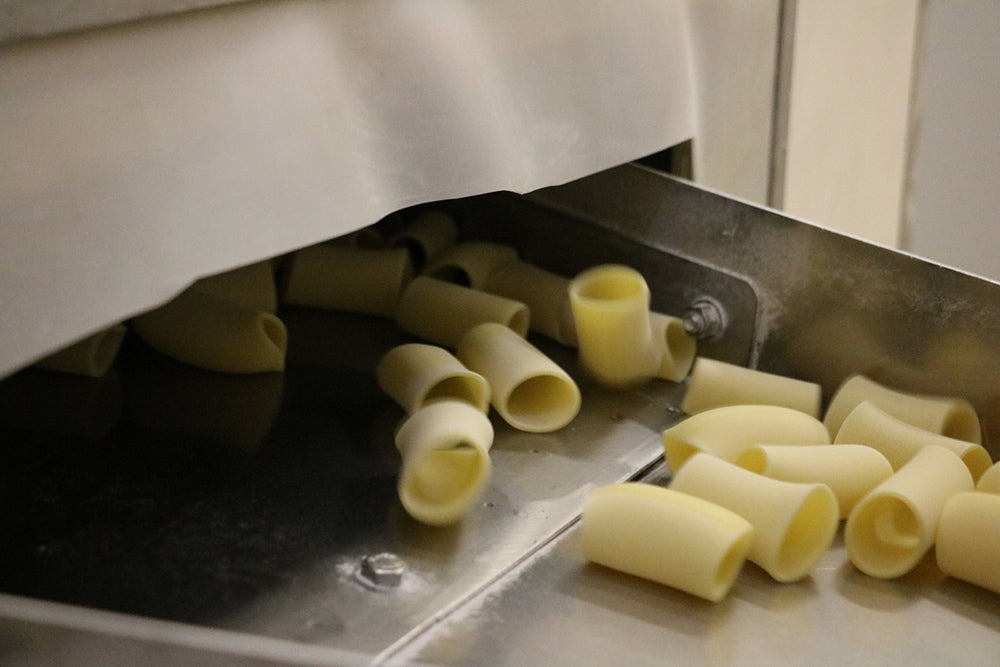
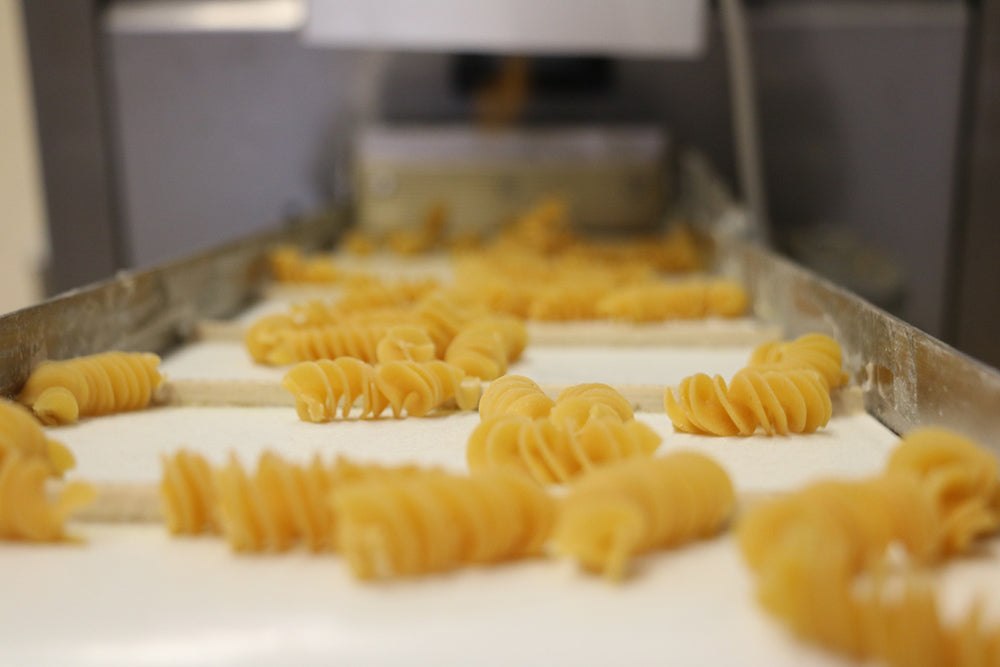
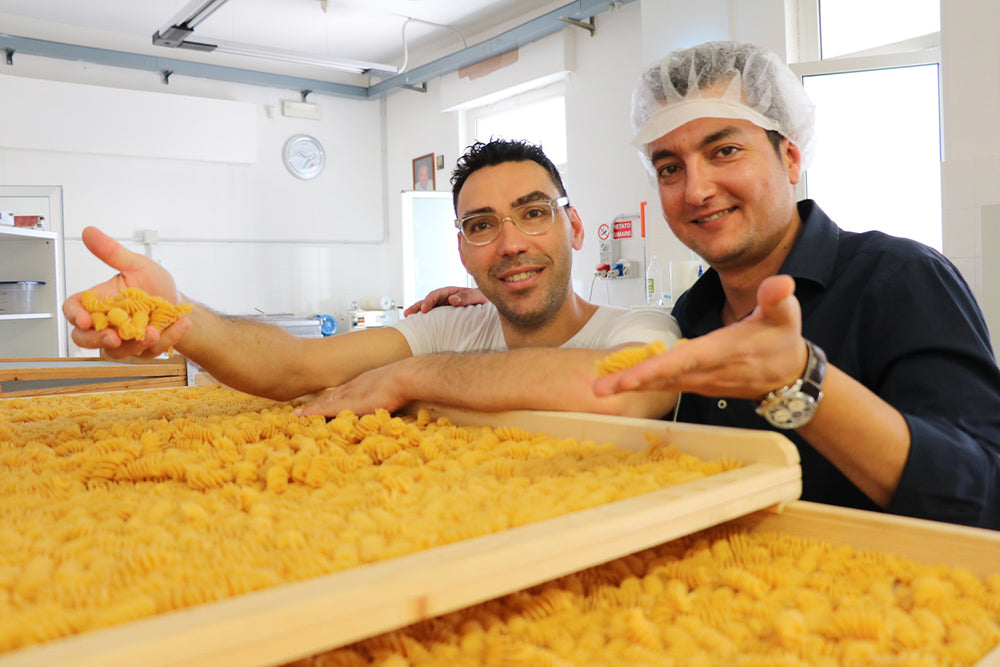
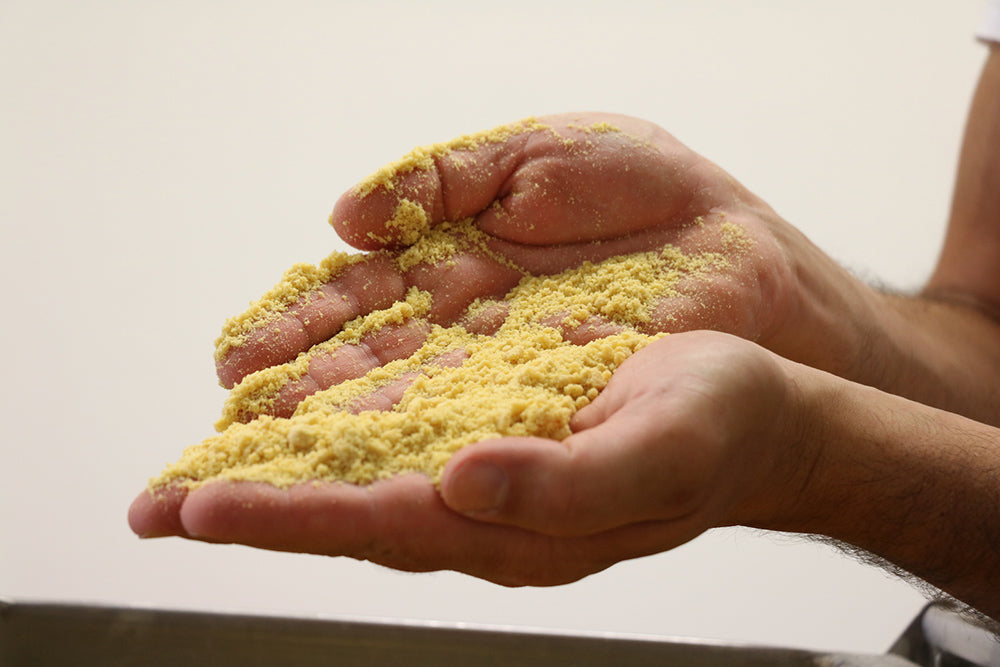
We have selected two artisanal pasta factories: in the Marche region, where we produce most of our Senatore Cappelli pasta shapes (the photos above show the production of paccheri), and in Puglia, where we produce some regional Senatore Cappelli shapes, specialty pastas, and legume pastas (the photos below show the stone-ground chickpea flour spirals).
Both use static drying for times ranging from 24 to 36 hours, depending on the sensitivity of the master pasta maker who knows when the pasta is ready.
Thanks to the skill of our pasta makers, we produce not only an extraordinary Senatore Cappelli pasta, with an intense and full-bodied flavor, but also a line of grain and legume pasta with unique characteristics on the market. Ancient Saragolle wheat, rye, buckwheat, chickpeas, and lentils, stone-ground and processed into pure pasta, are the protagonists of this excellent line, created within the AmoreTerra supply chain.
Seed supply chain
Flaxseed grows in the warm, breezy Lucanian hills. Surrounded by pristine lands and other organic farms, these two crops have found ideal conditions here to grow and provide us with their extraordinary seeds, rich in beneficial properties.
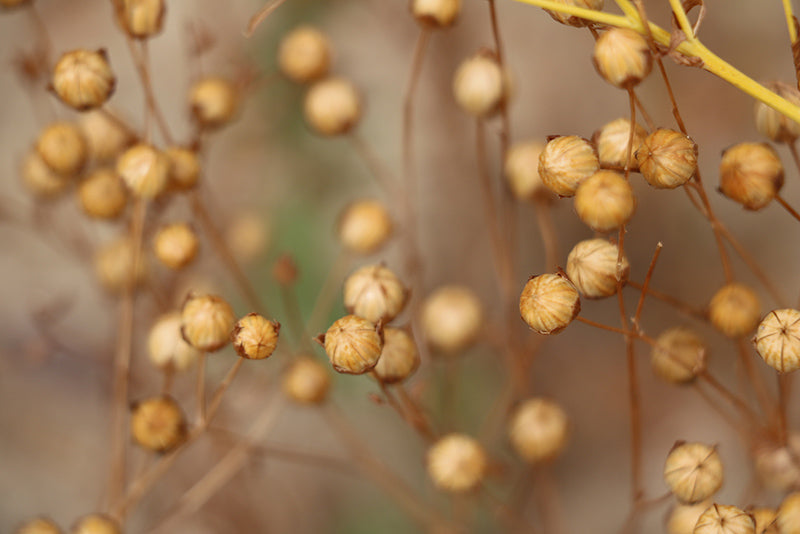
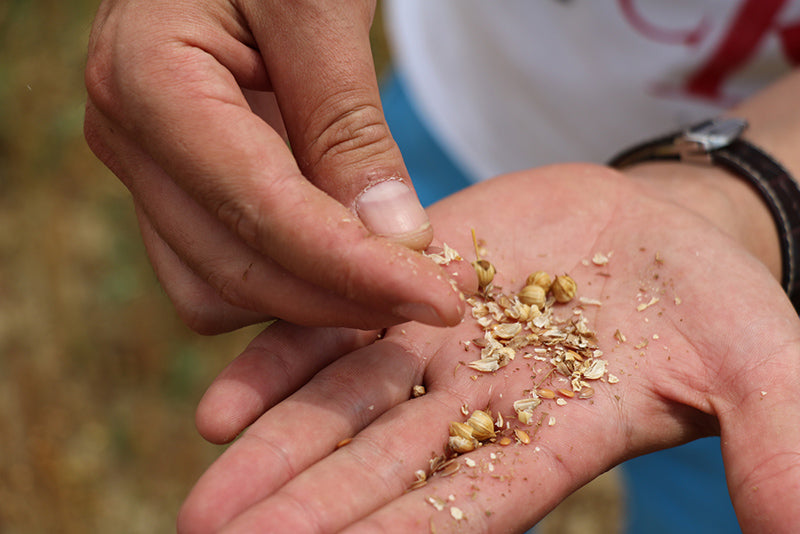
Flax seeds grow inside round capsules about a centimeter in diameter (which constitute the flax fruit). This herbaceous, branching plant grows to a height of 30-60 cm, surrounded by the hills of the province of Matera and the scattered villages that nestle atop them.