
Buckwheat: Everything You Need to Know
In this thematic journey, you'll discover what buckwheat is, its nutritional values and properties, and some ideas for cooking it.
Anyone who's never seen a buckwheat plant is usually amazed. It looks nothing like wheat; it has no ears, but small white flowers, and it's a herbaceous plant. It belongs to the Polygonaceae family, which also includes rhubarb and sorrel, better known as wild sorrel. However, buckwheat has a characteristic no other species in its family possesses: its achenes (small, single-seeded, triangular fruits, brown in the photo below, taken in the Modena Apennines in the Filiera AmoreTerra fields) can be ground to produce a flour with nutritional characteristics similar to those of wheat.
What is buckwheat?
As for its classification, Fagopyrum esculentum (this is its scientific name) can easily be defined as a cereal. This term, in fact, identifies any species whose seeds or fruits can be ground. Compared to wheat, the most important difference is that buckwheat is gluten-free , which puts it similar in its uses to grains such as millet and sorghum, which are also gluten-free.
The story
Because of its nutritional properties, it has been called "wheat" since its first appearance in Europe in the 15th century. This plant, originally from Asia, arrived in Europe via the Black Sea coast, spreading especially in some regions of Germany. Unsure what to call this new species, which resembled wheat in its uses, the term "grain of the pagans " (today's heidenkorn, formerly heenisch) was chosen because it was imported from the East. The following century, it also reached Italy, primarily in Valtellina, where it took the name frumentun (an augmentation of frument , wheat, probably due to its higher yields), but the equivalent of the name chosen by the Germans, which is still used today, soon gained popularity: buckwheat.
The origin
Buckwheat's origins are actually more distant, spanning Siberia, the Himalayas, and Manchuria (it's still unclear). It has spread successfully throughout Russia and Europe, where it's grown primarily in parts of Germany and France. In Italy, it's deeply rooted in northern culinary tradition and is grown in the provinces of Sondrio and Bolzano, but not only there.
Nutritional values and properties
Buckwheat's nutritional characteristics are similar not only to wheat, but also to legumes. 100 grams of buckwheat contain 343 kcal, 72 g of carbohydrates, 13 g of protein, and 3.4 g of fat. Here's an in-depth article on its nutritional values.
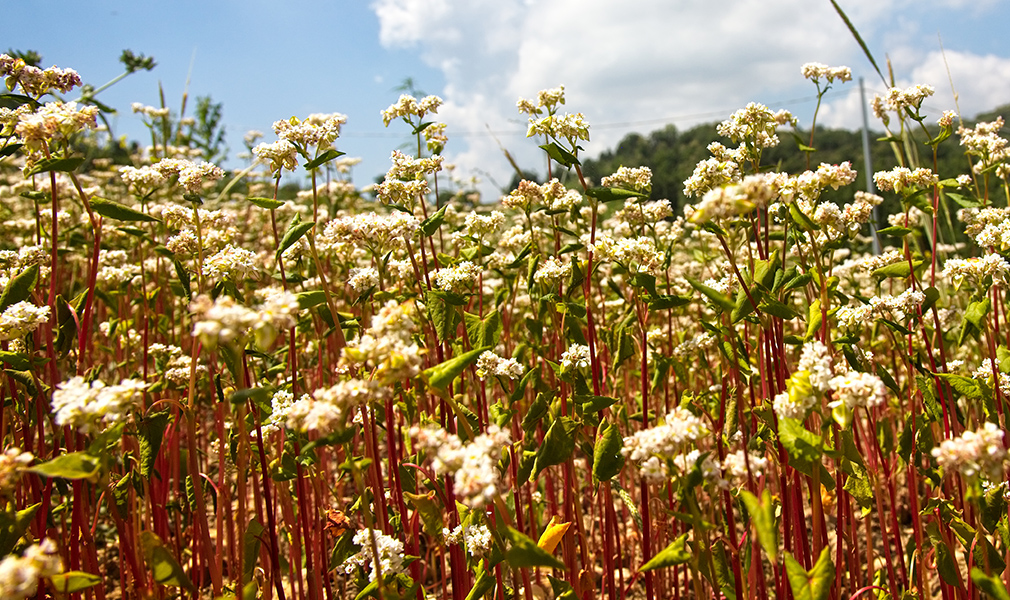
The surprising nutritional values of buckwheat
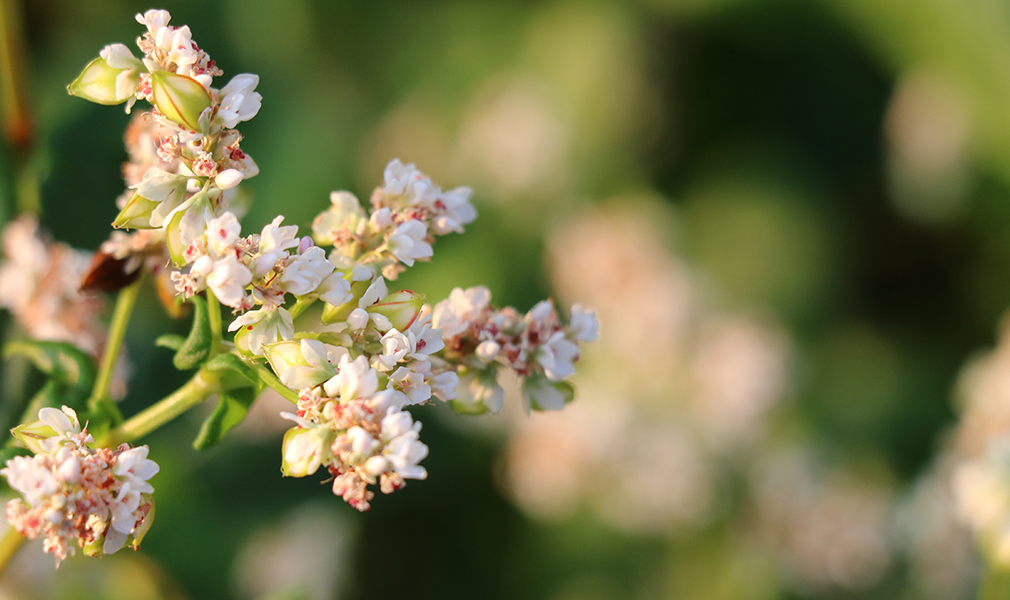
Buckwheat: 7 Important Health Properties
How to cook
Buckwheat is a food with a well-established tradition in mountain cuisine and is widely used in typical winter dishes, but it can also be an excellent alternative in summer salads or recipes suitable for any season.
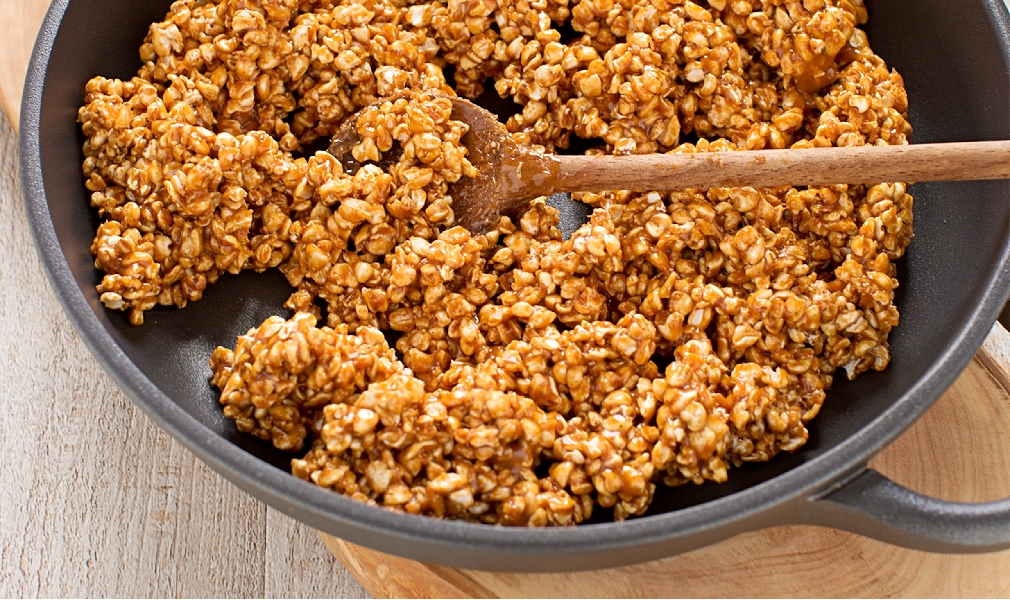
How to cook hulled buckwheat
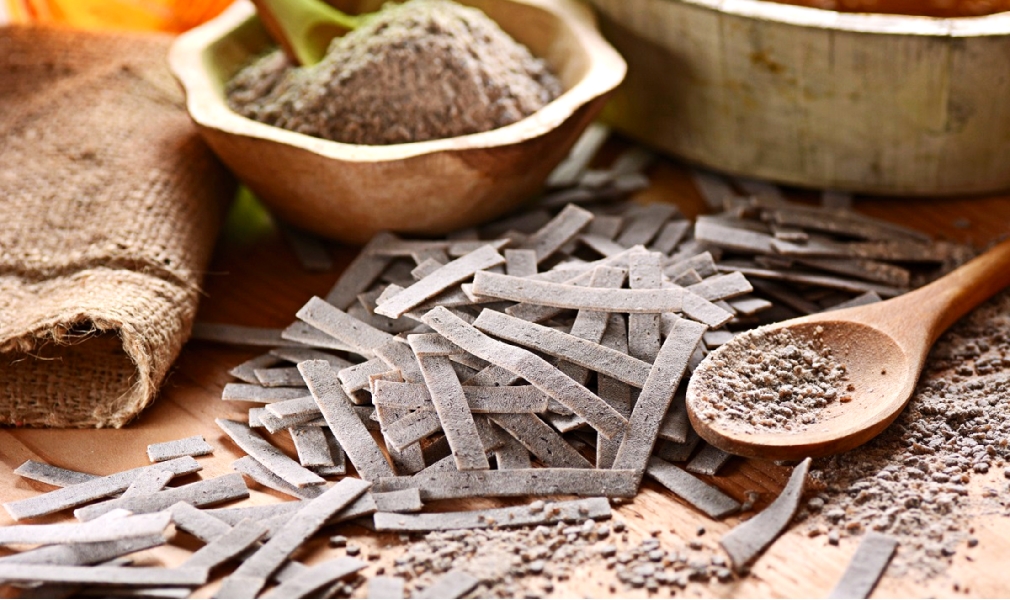
Buckwheat Flour: 5 Recipes for Cooking It
ORGANIC OFFERS
Discover our 12-month discount cards from -10% to -40%.
Visit the PANTRY OFFERS section


